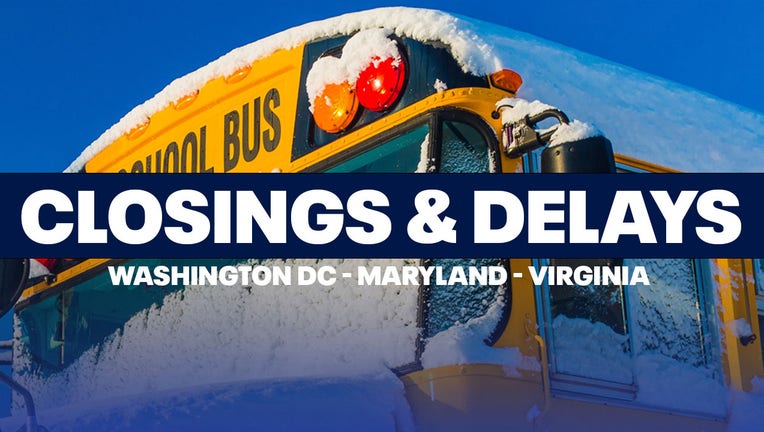
Understanding DC School Closings: A Comprehensive Guide For Parents And Students - Provide a safe space for your child to express concerns and seek professional help if needed. School closings, delays in DC, Maryland, Virginia for Wednesday
Provide a safe space for your child to express concerns and seek professional help if needed.
Have access to online learning tools, textbooks, and supplementary materials to support continued education at home.
Establish a structured schedule at home to mimic the school environment and promote consistency.
Many organizations offer free or reduced-cost meals and educational support during closures. Contact local nonprofits or religious groups for assistance.
Identify alternative childcare options, such as family members, neighbors, or local programs, to ensure your child is supervised during unexpected closures.
Investing in robust online learning tools ensures continuity of education during disruptions.
Students from underserved communities may experience greater learning losses due to limited access to resources during closures.
By exploring the reasons behind DC school closings, available resources, and steps you can take to mitigate the impact, this article will equip you with the knowledge to navigate these disruptions effectively. Let's delve deeper into this critical topic and uncover the solutions you need.
DC school closings have become a critical issue affecting thousands of families across the District of Columbia. Whether due to emergencies, weather conditions, or systemic challenges, these closures impact educational continuity and family planning. As a parent, guardian, or student, understanding the reasons behind these closings and how to stay informed is essential for navigating this complex situation.
Unexpected DC school closings can strain family budgets, particularly for those relying on school-provided meals or transportation. Explore the following financial strategies:
Closings disrupt peer interactions, extracurricular activities, and collaborative learning opportunities. This isolation can affect students' emotional health and social skills development.
Incorporate hands-on activities and real-world applications to keep learning engaging and relevant.